
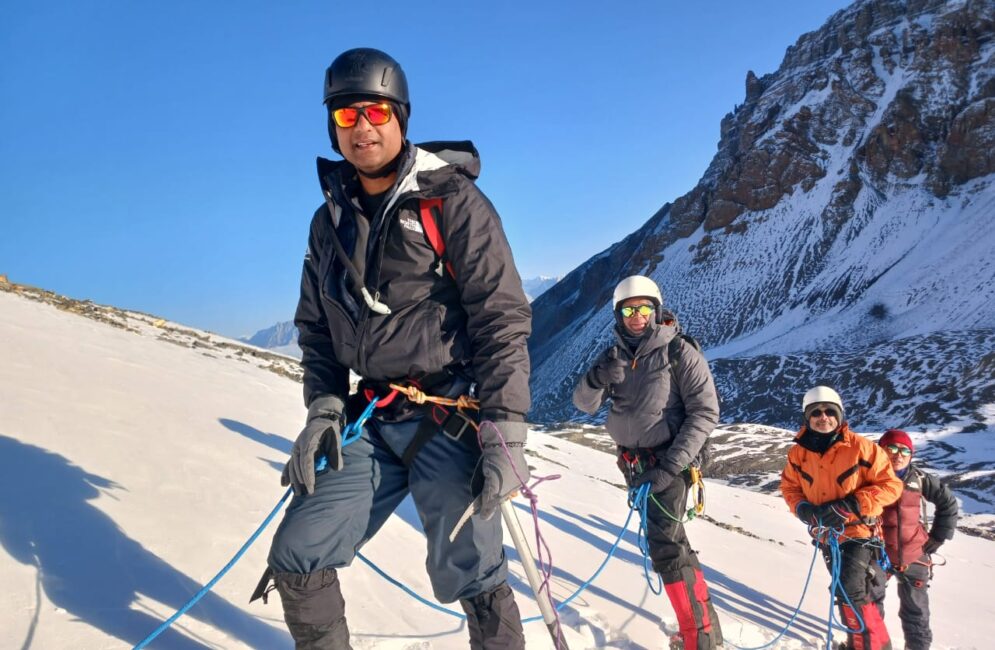
Nepal stands as one of the most spectacular destinations in the world for mountain expeditions and high-altitude climbing. With eight of the fourteen 8,000-meter peaks on Earth, and dozens of 6,000 to 7,000-meter peaks across its Himalayan ranges, the country offers challenges for mountaineers of many levels. Timing is critical: when you climb influences weather, views, crowd levels, logistics, and cost. Choosing the right season, region, and peak is essential for safety, cost-effectiveness, and enjoyment.
1. Understanding Nepal’s Climbing Seasons
Spring (Pre-Monsoon) – March to May
Spring is the prime climbing season for many of Nepal’s high mountains. The snowcover begins to stabilize, weather tends to be more reliable with fewer heavy storms, skies clear, and mountain views are at their best. Because this is the most popular window, demand is high and costs accordingly higher. Preparation for summit attempts in April–May is typical.
Autumn (Post-Monsoon) – September to November
Autumn is often regarded as the best overall season for trekking and climbing. After the monsoon ends, the atmosphere clears, vegetation is lush, views are crisp, and weather tends to be stable. While routes may still have some snow, the risk of heavy storms is lower than in summer, and crowds are still significant for popular peaks. Cost tends to be slightly lower compared to spring.
Winter (December to February)
Winter brings much colder weather, shorter daylight hours, deeper snow and ice conditions, and more challenging logistics for high peaks. Though fewer climbers attempt major summits in winter, some lower-altitude peaks or very technical climbs are still possible for well-prepared teams. Costs may be lower, but risk and difficulty are higher.
Monsoon / Summer (June to August)
The monsoon season is generally not recommended for major Himalayan climbs. Heavy rainfall, high humidity, the risk of landslides, and cloud cover make summit attempts far more difficult and less predictable. Some lower-altitude peaks in more sheltered or northern zones may still be climbed, but high-altitude expeditions are rarely scheduled then.
2. Regional Peak Breakdown: Peak Names, Seasons, Costs
2.1 Everest Region / Khumbu (Eastern Nepal)
Key Peaks:
- Mount Everest Expedition (8,848 m)
- Best Seasons: Spring (April–May); Autumn possible but weather windows narrower.Permit Fee: USD 15,000 (spring).
- Estimated Total Cost: USD 35,000–60,000+ depending on support level.
- Lhotse (8,516 m)
- Best Seasons: Spring/Autumn.
- Permit Fee: USD 1,800 (spring).
- Cost: USD 20,000–30,000+.
- Ama Dablam (6,812 m)
- Best Seasons: Spring & Autumn.Permit Fee: USD 1,000 (approx).
- Cost: USD 8,000–15,000.
- Island Peak (6,165 m) & Lobuche East (6,119 m)
- Best Seasons: Spring & Autumn.
- Permit Fee: USD 350 (spring).
- Cost: USD 2,000–5,000.
2.2 Annapurna Region (Central Nepal)
- Annapurna I (8,091 m)
- Best Seasons: Spring & Autumn.Permit Fee: USD 1,800 (approx).
- Cost: USD 20,000–30,000+.
- Hiunchuli (6,434 m) & Pisang Peak (6,091 m)
- Best Seasons: Spring & Autumn.
- Permit Fee: USD 500 (approx).
- Cost: USD 3,000–5,000.
2.3 Manaslu Region (West-Central Nepal)
- Manaslu (8,163 m)
- Best Seasons: Spring & Autumn.
- Permit Fee: USD 1,500 (spring).
- Cost: USD 20,000–35,000+.
2.4 Kanchenjunga Region (Far East Nepal)
- Kanchenjunga (8,586 m)
- Best Seasons: Spring (April–May); Autumn possible.
- Permit Fee: USD 1,800 (approx).
- Cost: USD 25,000–40,000+.
2.5 Other Peaks (6,000–7,000 m “Trekking Peaks”)
- Examples: Mera Peak (6,476 m), Chulu East (6,584 m), Naya Kanga (5,863 m).
- Best Seasons: Spring & Autumn.
- Permit Fee: USD 350 (spring); USD 175 (autumn/winter).
- Cost Estimate: USD 2,000–5,000.
3. Cost Structure & Season Variations
Permit Fees & Variations
Permit fees vary by altitude, route, and season:
- Everest (spring): USD 15,000.
- Other 8,000 m+ peaks (spring): USD 3,000; autumn: USD 1,500.
- Peaks 7,501–8,000 m: Spring USD 1,000; Autumn USD 500.
- Peaks 7,001–7,500 m: Spring USD 800; Autumn USD 400.
- Peaks 6,501–7,000 m: Spring USD 500; Autumn USD 250.
- Trekking peaks ≤6,500 m: Spring USD 350; Autumn/Winter USD 175.
Total Expedition Costs
Full expedition costs include: * Permit fees * Liaison officer and government requirements * Guide/Sherpa wages, porter support * Food, accommodation, camping logistics, transport * Climbing equipment, oxygen if required * Insurance and emergency evacuation * Additional costs (waste deposit, conservation fees, park entry)
Approximate costs:
Easier peaks (6,000 m): USD 1,200–1,500.
Moderate peaks (6,000–7,000 m): USD 2,200–3,500
Major 8,000 m+ expeditions: USD 15,000–60,000+
Season & Cost Trade-Offs
- Spring: Best weather, highest cost and demand.
- Autumn: Excellent conditions, slightly lower cost.
- Winter/Monsoon: Lower permit fees, higher risk, harder logistics.
- Remote or lesser-known peaks: Moderate permit fees but higher logistical costs.
4. Season & Region Summary Table
| Region | Key Peak(s) | Altitude | Best Season(s) | Permit Fee | Typical Expedition Cost | Notes |
| Everest/Khumbu | Mount Everest | 8,848 m | April–May | USD 15,000 | USD 35k–60k+ | Ultimate challenge |
| Everest/Khumbu | Lhotse | 8,516 m | Spring/Autumn | USD 1,800 | USD 20k–30k+ | Less crowded than Everest |
| Everest/Khumbu | Ama Dablam | 6,812 m | Spring/Autumn | USD 1,000 | USD 8k–15k | Technical and iconic peak |
| Everest/Khumbu | Island Peak / Lobuche East | ~6,100 m | Spring/Autumn | USD 350 | USD 2k–5k | Stepping stones for high altitude |
| Annapurna Region | Annapurna I | 8,091 m | Spring/Autumn | USD 1,800 | USD 20k–30k+ | Serious expedition |
| Annapurna Region | Hiunchuli / Pisang Peak | ~6,000–6,500 m | Spring/Autumn | USD 500 | USD 3k–5k | Accessible and moderate cost |
| Manaslu Region | Manaslu | 8,163 m | Spring/Autumn | USD 1,500 | USD 15k–35k+ | Remote and fewer crowds |
| Kanchenjunga Region | Kanchenjunga | 8,586 m | April–May | USD 1,800 | USD 25k–40k+ | Very remote, demanding logistics |
| Trekking Peaks | Mera Peak, Chulu East, etc. | 5,800–6,500 m | Spring/Autumn | USD 350 | USD 2k–5k | Good value, ideal stepping peak |
5. Practical Tips for Choosing Time, Peak & Budget
- Choose the Right Season: Spring for 8,000 m peaks, autumn for lower risk and fewer crowds, both for 6,000–7,000 m peaks.
- Set a Realistic Budget: Include permit, support, transport, gear, insurance, and contingencies.
- Acclimatisation & Itinerary: Gradual elevation gain, rest days, realistic summit windows.
- Use a Trusted Local Agent / Guide: Ensure safety, support, logistics.
- Verify Latest Permits & Fees: Government regulations and fees change frequently.
- Condition & Weather Considerations: Even during best seasons, Himalayan weather is unpredictable.
- Value & Experience Trade-Offs: Spring = best weather & high cost; autumn = excellent conditions & lower cost; winter/monsoon = cheaper but riskier.
6. Why Timing & Region Matter
Scenario A: Everest climb in April – good weather, prepared Sherpa team, high cost, maximal chances of success.
Scenario B: Everest climb in December – lower permit cost, high winds, short daylight, fewer support teams, riskier.
For 6,000 m peaks, spring offers rhododendron blooms, good acclimatisation, moderate snow; monsoon brings clouds, heavy rain, and sub-optimal summit views.
Region matters:
Everest/Khumbu = high infrastructure, high cost;
Annapurna = moderate cost, fewer crowds;
Manaslu/Kanchenjunga = remote, complex logistics, higher costs.
7. Final Summary & Key Takeaways
- Best seasons: Spring (March–May) and Autumn (September–November).
- Permit fees vary significantly by altitude, route, and season.
- Total cost includes permit, logistics, guide/Sherpa, gear, transport, insurance.
- Choose region and peak according to budget, ambition, and experience.
- Proper planning ensures acclimatisation, buffer days, weather delays.
- Climbing is about the journey, culture, team, and preparation as much as the summit.
8. Closing Thoughts
Nepal’s Himalayan peaks invite elite mountaineers and aspiring climbers alike. The right season, region, and peak choice can make the difference between a dream fulfilled and a struggle endured. Planning wisely—with respect for the mountains, logistics, cost, and safety—is key to an unforgettable Himalayan expedition.